


---
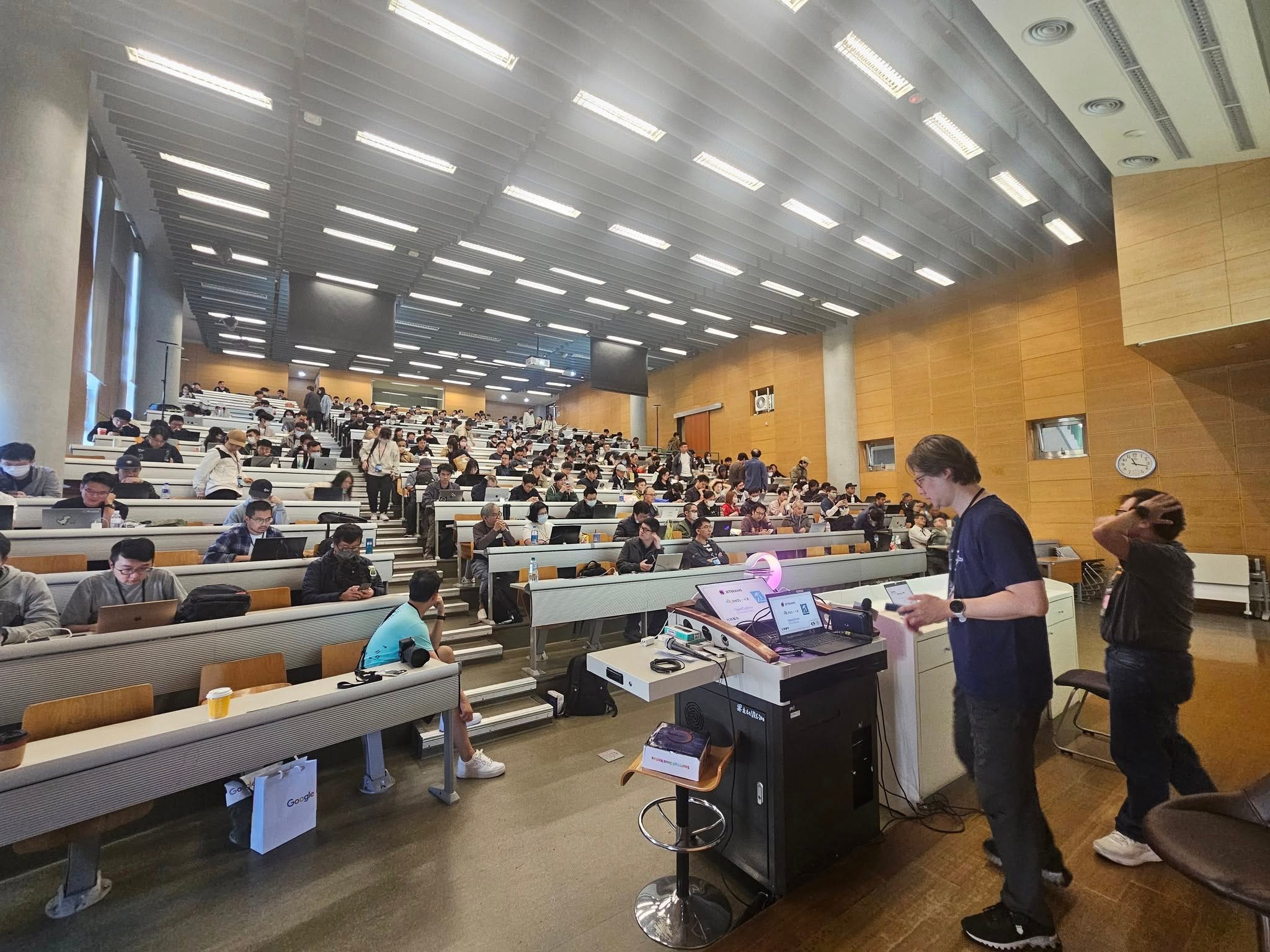
This is the the the speak experience from DevFest Taichung, DevFest Taipei. You can check the online deck here. or https://devfest2025taipei-jimmyliao.web.app/
Introduction: Agentic AI as an Orchestration Challenge
At DevFest Taipei 2025, I had the opportunity to share insights from building an enterprise-grade AI agent platform across cities (Taichung, Taipei, and beyond). The core lesson? Treat agentic development as an orchestration problem, not just a coding exercise.
Most enterprises face similar challenges when adopting AI:
- **Sensitive data restrictions**: Can’t upload proprietary data to cloud LLM providers
- **Internal authentication hurdles**: Legacy systems with complex auth requirements
- **Lack of standardized APIs**: Every internal tool speaks a different language
- **Tool fragmentation**: Developers juggle multiple AI platforms with inconsistent interfaces
The solution isn’t building everything from scratch—it’s about smart orchestration through standards like **MCP (Model Context Protocol)**, rapid prototyping with **Gemini CLI**, and production deployment via **Google ADK SDK**.
*Full technical notes:* https://hackmd.io/@devfest-taipei-2025/SyFuv9gZWl
---
Architecture: Three Ways to Integrate MCP
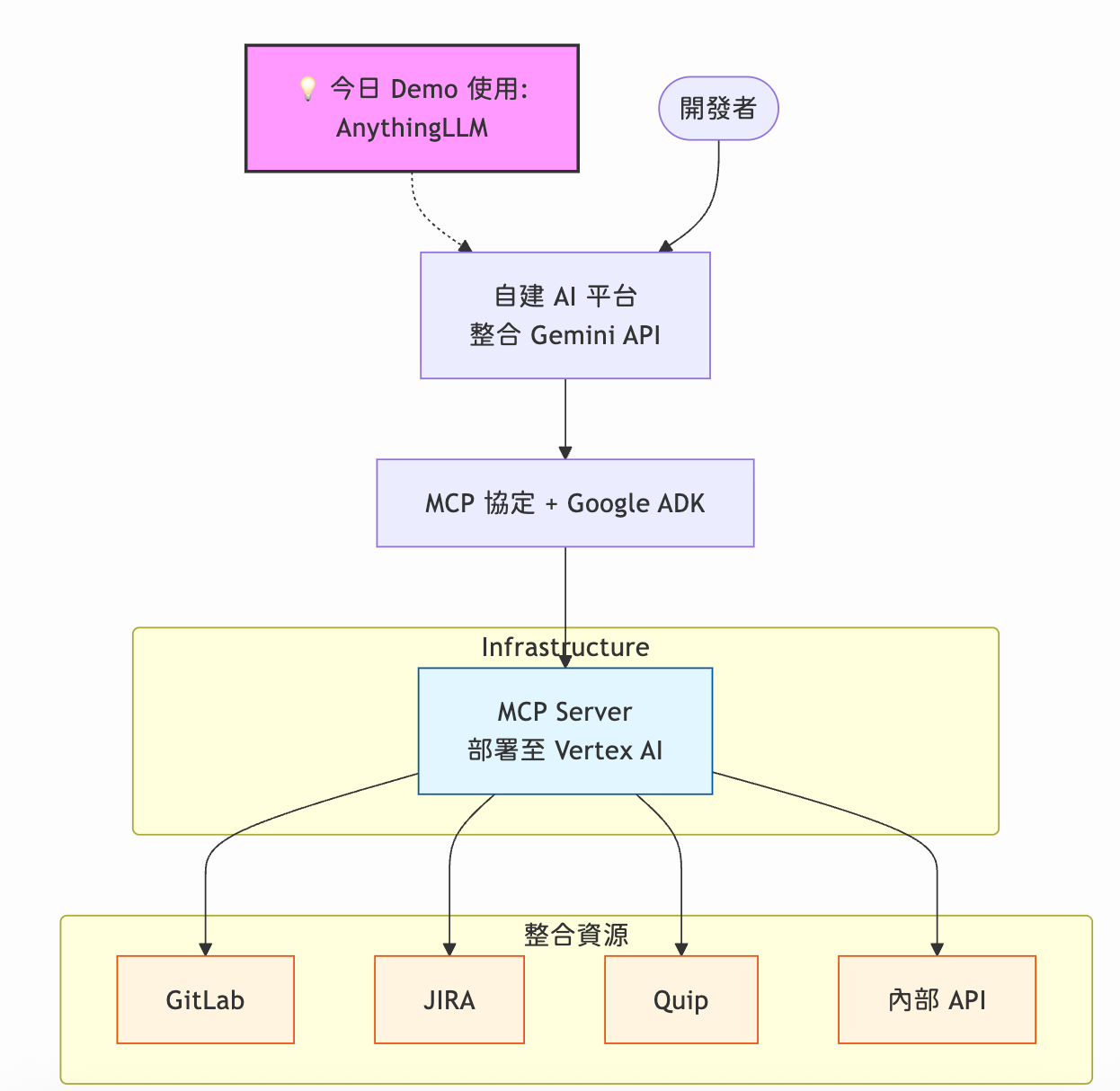
Our architecture demonstrates **three validated MCP client approaches**, each serving different deployment needs:
```
Developer → [MCP Clients] → MCP Protocol → [4 MCP Servers]
↓ ↓
[1] Gemini CLI Enterprise Data
[2] Google Antigravity Internal APIs
[3] Standalone Python Document DB
```
Core Components
**MCP Protocol**: The standardization layer that connects AI models to enterprise tools using two transport modes:
- **SSE (Server-Sent Events)**: For remote MCP servers (HTTP-based)
- **STDIO**: For local MCP servers (process-based, higher security)
**Three MCP Client Validations**:
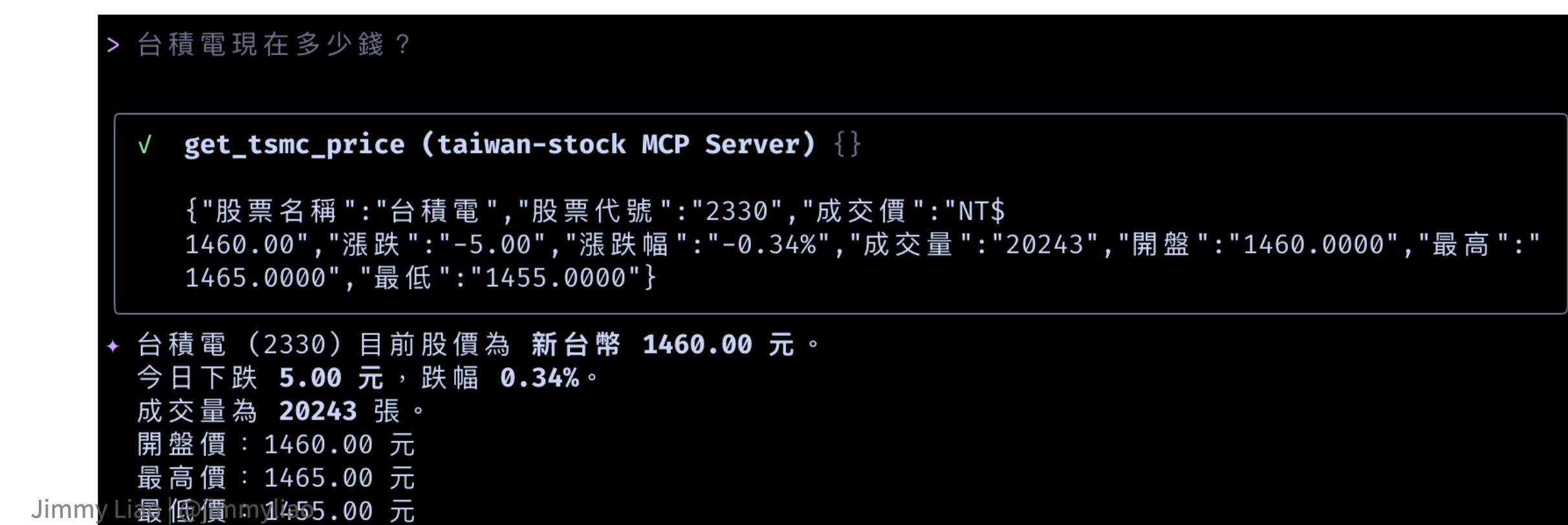
1. **Gemini CLI** (Remote MCP, SSE transport)
- 1M+ token context window
- Free quota for rapid prototyping
- Ideal for developer experimentation
2. **Google Antigravity (or AnythingLLM)** (Local MCP, STDIO transport)
- Enterprise Web UI with RAG capabilities
- Docker-based deployment (`anythingllm-adk`)
- Verified with Taiwan Stock MCP + Investment Agent
3. **Standalone Python** (Direct execution)
- No MCP layer needed
- Direct ADK agent execution
- Best for demos and benchmarking
**Development Frameworks**:
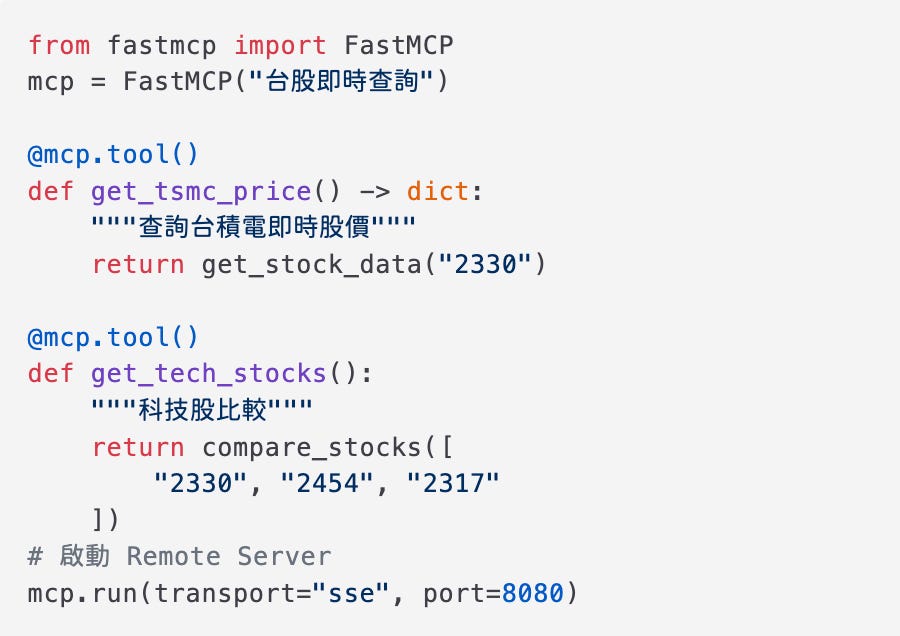
- **FastMCP**: Build MCP servers in ~50 lines of Python
- **Google ADK SDK 1.17.0**: Agent-first architecture with automatic tool orchestration
---
Five Key Implementations
1. Browserbase: Open-Source Browser Automation
Native MCP support for cloud-based browser automation—demonstrating MCP’s versatility beyond data APIs.
2. FastMCP Taiwan Stock Query ⭐
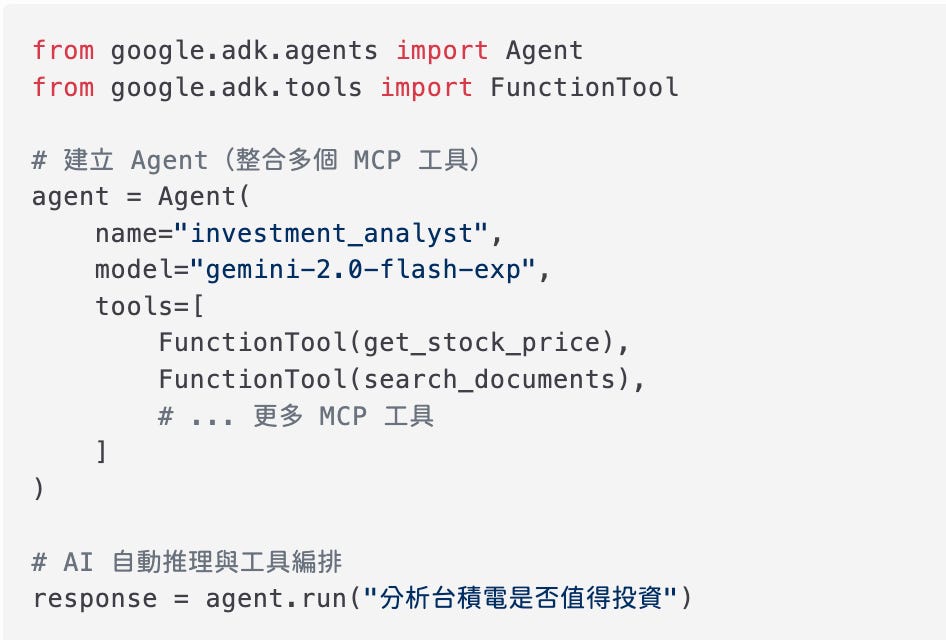
**50 lines of Python** to build a production-ready MCP server using the FastMCP framework. Serves real-time Taiwan stock data over SSE (Port 8080). This implementation showcases **MCP’s accessibility**: you don’t need complex infrastructure to get started.
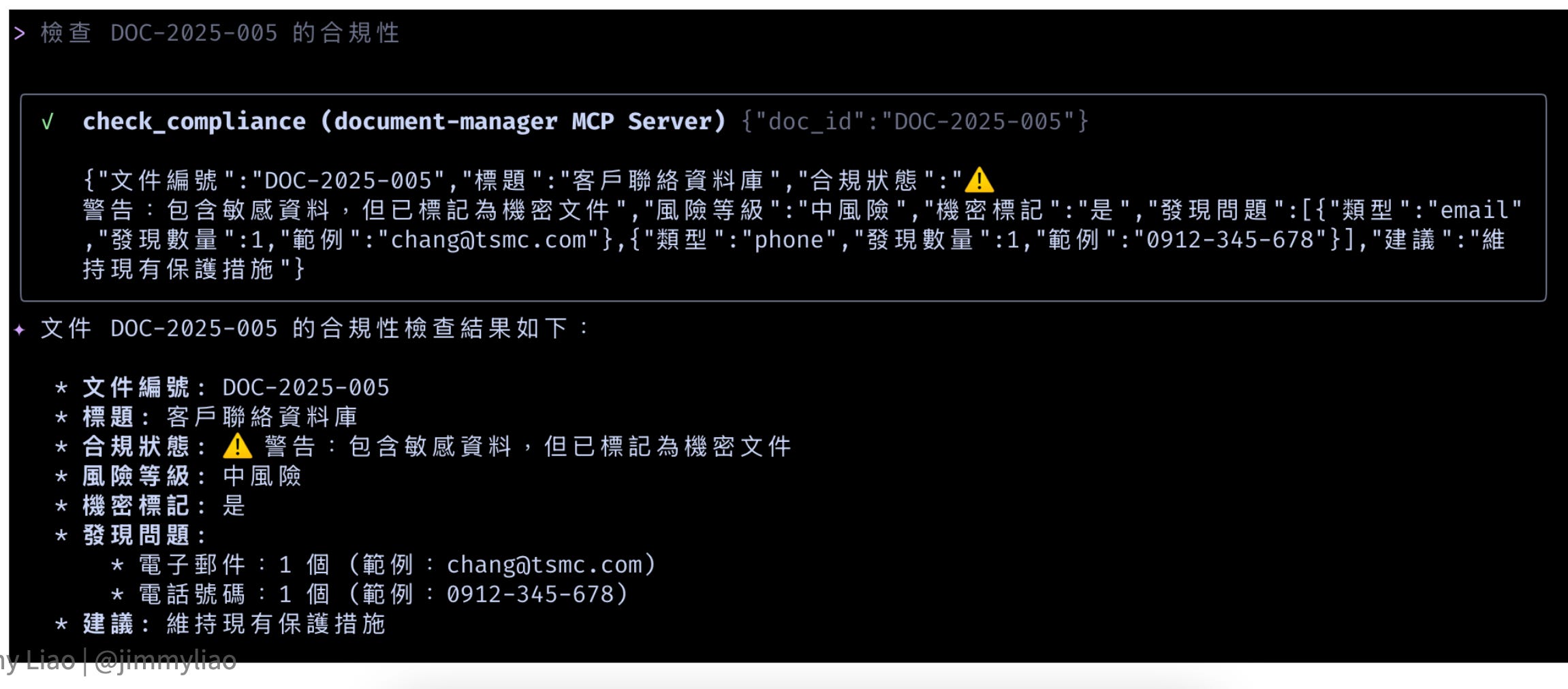
3. Enterprise Document Management MCP ⭐
Goes beyond simple document search—includes **compliance checking** with sensitive data detection. All processing happens locally, ensuring **zero data leakage** to external LLM providers. This addresses the #1 concern for regulated industries.
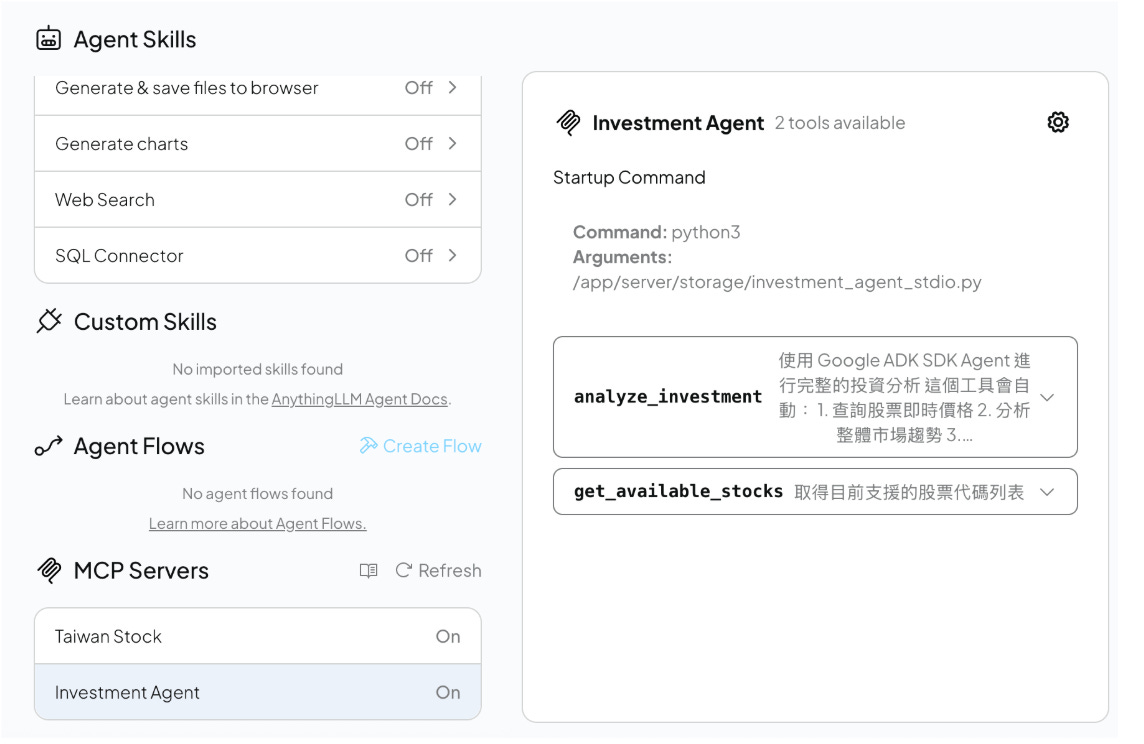
4. Google Antigravity (or AnythingLLM) Integration ⭐
**Official name**: Google Antigravity (open-sourced as AnythingLLM)
**Role**: MCP Client with STDIO transport for local integration
**Features**:
- Enterprise Web UI replacing CLI workflows
- RAG (Retrieval-Augmented Generation) for document grounding
- Docker-based deployment with `google-adk` pre-installed
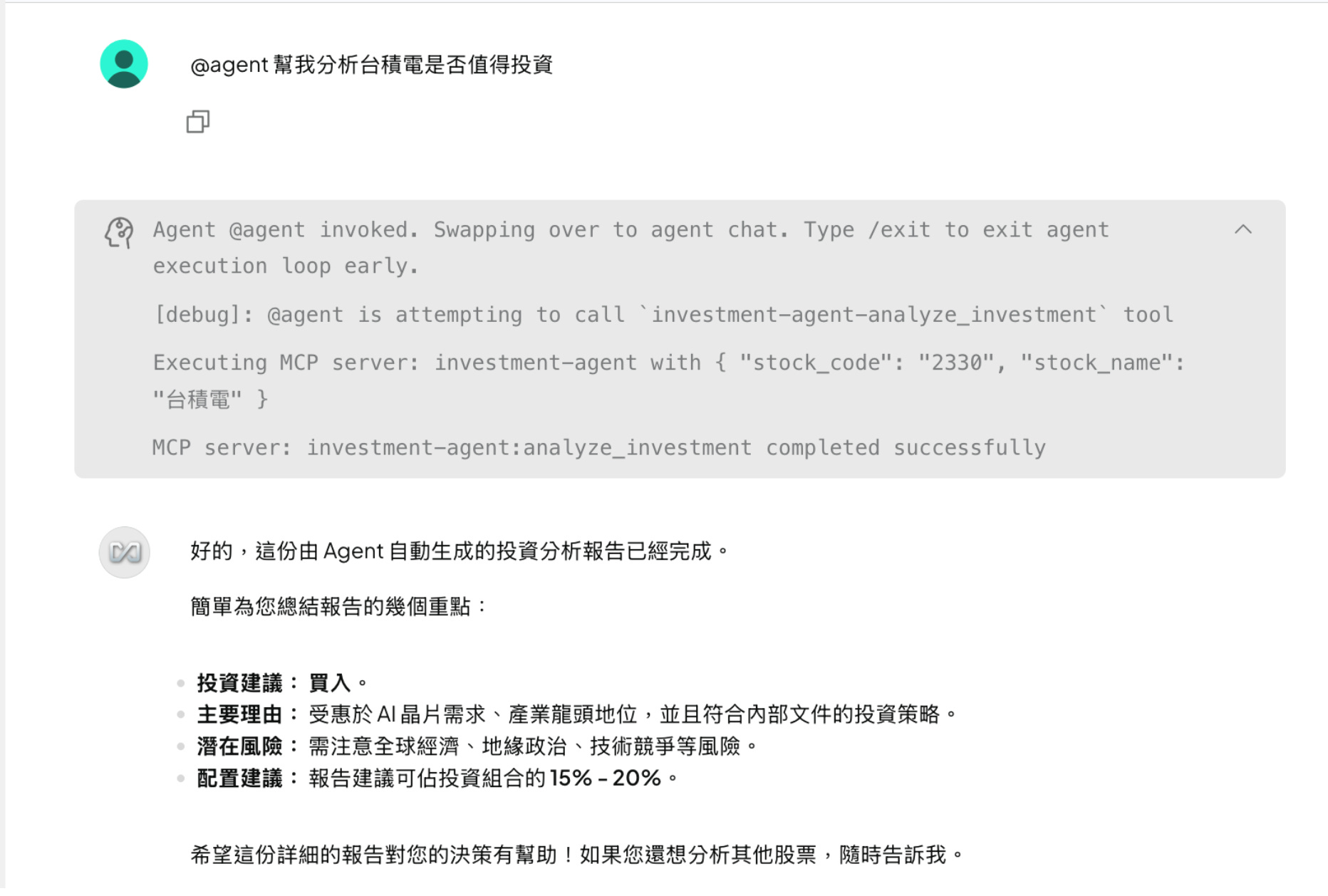
**Validation**: Successfully integrated Taiwan Stock MCP (STDIO mode) + Investment Agent—proving the **CLI-to-Web UI evolution path**.
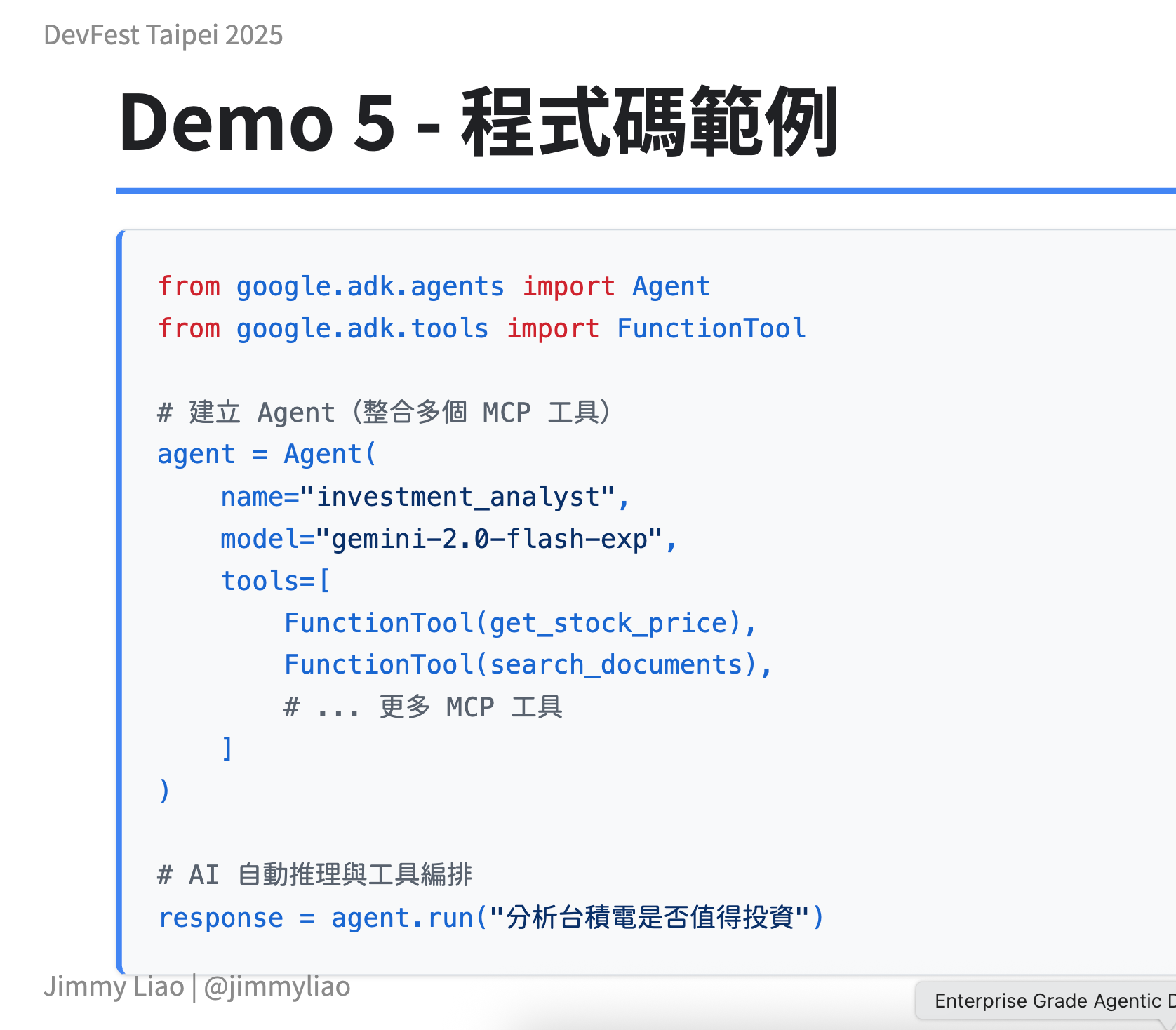
5. Google ADK Investment Agent ⭐⭐
**Impact**: **3 seconds** (automated) vs. **3.5 hours** (manual) for investment analysis reports
**Features**:
- Multi-tool reasoning (combines stock price APIs + document search)
- Automatic tool orchestration—no hardcoded workflows
- **Three-version architecture**:
- Standalone Python (for demos)
- Remote MCP Server (for Gemini CLI)
- STDIO MCP (for AnythingLLM)
This demonstrates ADK’s **agent-first design**: define capabilities, let the framework handle orchestration.
---
Deployment Strategy: Remote vs. Local MCP
**Remote MCP** (SSE/HTTP):
- Deploy to Cloud Run, Kubernetes, or any HTTP endpoint
- Cross-platform support (any MCP-compatible client)
- Trade-off: Network latency, requires internet access
**Local MCP** (STDIO):
- Process-based, runs on the same machine as the client
- **Faster** (no network overhead) + **More Secure** (no external traffic)
- Ideal for **sensitive data workflows**
**Decision rule**: For regulated industries or proprietary data → **Local MCP**. For shared enterprise services → **Remote MCP**.
---
Key Takeaways for AI/ML Engineers
1. Treat Agentic AI as an Orchestration Challenge
- **MCP Protocol**: Standardize tool integration (stop reinventing the wheel)
- **Gemini CLI + ADK**: Provide reasoning and automatic orchestration
- **Shift thinking**: From “I need to build everything” to “How do I compose existing capabilities?”
2. Incremental Path: CLI → Production
- **Stage 1**: Gemini CLI (free quota, 1M context, rapid prototyping)
- **Stage 2**: MCP Servers (standardized tool layer)
- **Stage 3**: Vertex AI / Cloud Run (enterprise deployment)
**Don’t start with production complexity**—validate with CLI first.
3. Methodology > Code
- **1,952 lines of docs** > 10,000 lines of implementation code
- **Reusable templates** = sustainable innovation
- **10-minute replication** > 2-week rewrite
**Example**: Our .NET Conf 2025 prep took 5 days (not 3 weeks) because we had templates.
---
Resources
**Live Slides**: https://devfest2025taipei-jimmyliao.web.app/
**Workshop Site**: https://devfest2025-workshop-jimmyliao.web.app/
**Technical Walkthrough**: https://hackmd.io/@devfest-taipei-2025/SyFuv9gZWl
**Official Documentation**:
- MCP Protocol: https://modelcontextprotocol.io
- Google ADK SDK: https://github.com/google/adk-python
- Gemini CLI:
**Connect**: https://linktr.ee/jimmyliao
---
Closing Thoughts
Building production-ready AI agents isn’t about writing the most code—it’s about **orchestrating the right components** with proven patterns. The DevFest 2025 journey taught us that:
1. **Standards matter**: MCP eliminates integration chaos
2. **Start small, scale smart**: Gemini CLI → MCP → Production
3. **Methodology compounds**: Reusable templates pay dividends
If you’re building agentic AI systems, don’t start from scratch. Leverage MCP, experiment with Gemini CLI’s free tier, and document your patterns—your future self (and team) will thank you.
---
**Tags**: #AI-Agents #MCP #GeminiCLI #GoogleADK #AnythingLLM #DevFest #AgenticAI #EnterpriseAI
**Published**: December 2025
**Author**: Jimmy Liao | Google Developer Expert (AI)
**License**: CC BY 4.0 (code examples), text content © 2025
---
*Generated with insights from DevFest Taichung, DevFest Taipei, and .NET Conf 2025 workshop experiences.*
Thx for sharing!
Really smart take on treating agent dev as orchestration instad of just code. The STDIO vs SSE distinction for local vs remote MCP is somethin I haven't seen speled out this clearly. Most places just push everything to cloud APIs without thinking through the data residency tradeoffs, especially for regulated industries that can't afford the leakage risk.